Category: Uncategorized

  • AI Lookbook Generator: How Brands Build Catalogues Faster

    AI Lookbook Generator: How Brands Build Catalogues Faster

    Fashion brands that once spent weeks coordinating shoots, models, locations, and post-production are now producing polished digital lookbooks in a fraction of the time. The shift is not cosmetic. An AI lookbook generator fundamentally changes the economics of catalogue production, allowing brands of every size to move at the speed of trend cycles rather than the pace of traditional photography pipelines. Whether you are a direct-to-consumer label launching a seasonal drop or an e-commerce retailer managing hundreds of SKUs, AI-powered catalogue tools are rewriting what is possible — and what is affordable.

    Key Takeaways

    • AI lookbook generators reduce catalogue production time from weeks to hours by automating video and image sequencing from existing product photos.
    • Brands can produce consistent, on-brand digital lookbooks without booking models, studios, or post-production teams for every campaign.
    • AI-generated lookbooks are optimised for short-form video platforms including TikTok, Instagram Reels, YouTube Shorts, and Pinterest.
    • Smaller fashion brands can now compete with enterprise catalogues by using AI to scale content output without scaling headcount.
    • Integrating motion and video into lookbooks measurably lifts engagement rates and on-site conversion compared to static image galleries.

    What Is an AI Lookbook Generator?

    A traditional lookbook required a full creative production stack: a photographer, a stylist, a model, a location or studio, editing software, and a designer to lay out the final catalogue. An AI lookbook generator compresses that stack into a single tool. You upload your outfit photos — flat lays, model shots, product images — and the system uses artificial intelligence to sequence, animate, and format them into a cohesive visual narrative ready for digital distribution.

    The output is not a static PDF or a simple slideshow. Modern AI lookbook tools produce short-form video formats that perform natively on social platforms, embed cleanly on product pages, and drive measurable engagement. Outfit Video is built precisely for this use case: transforming outfit photography into scroll-ready video content without requiring video production skills or expensive software.

    The core technology draws on computer vision to identify garments, colour palettes, and composition, then applies motion, transitions, and branded overlays that match the aesthetic of the source material. The result is a fashion catalogue AI workflow that is repeatable, scalable, and consistent across every drop.
    a black and white sign with the number six on it
    Photo by Al Amin Shamim on Unsplash

    Why Static Lookbooks Are Losing Ground

    Consumer attention on digital channels has reorganised around video. Platforms reward motion content with algorithmic reach, and shoppers who encounter video on product pages convert at significantly higher rates than those who see images alone. A static lookbook PDF or image gallery was adequate when the primary distribution channel was print or email, but it is structurally mismatched to how discovery happens in 2025 and beyond.

    Short-form video has become the default format for fashion discovery on TikTok, Instagram Reels, Pinterest, and YouTube Shorts. Brands that present their collections as video lookbooks — even simple, well-sequenced outfit videos — capture attention at the point where purchase intent is forming. Those that rely on static grids are invisible on the channels that drive new customer acquisition.

    There is also a conversion argument. Research consistently shows that video on product pages lifts click-through and reduces return rates because shoppers gain a clearer sense of fit, drape, and movement. If you want to understand how to deploy this effectively, using outfit videos on product pages to lift CVR covers the placement and format strategies that move the needle.

    How Brands Use AI to Build Catalogues Faster

    The production workflow for an AI-generated lookbook is substantially leaner than its traditional equivalent. Here is how a typical brand integrates a digital lookbook creator into their content calendar:

    1. Asset ingestion: Upload existing product photography, flat lays, or on-figure shots. No new shoots required for many catalogue updates.
    2. Style selection: Choose a visual treatment — pace, transition style, colour grading — that aligns with the brand’s aesthetic and the campaign tone.
    3. Automated sequencing: The AI arranges garments into coherent outfit narratives, grouping by colour story, occasion, or collection theme.
    4. Motion and animation: Static images receive subtle motion effects — pan, zoom, fabric-aware animation — that create the impression of a live shoot without one.
    5. Format export: The final output is rendered in platform-native aspect ratios: 9:16 for TikTok and Reels, 1:1 for feed posts, 16:9 for YouTube, and square or vertical formats for Pinterest.

    A process that previously took two to three weeks of production time can now be completed in an afternoon. For brands managing seasonal drops, that compression translates directly into competitive advantage: the ability to publish lookbook content the day a collection goes live rather than weeks after the launch window has passed.

    This speed advantage compounds when you consider seasonal fashion video strategy — brands that can produce lookbook content on-demand are far better positioned to respond to micro-trends and unseasonal weather shifts that invalidate planned campaigns.
    A close up of a metal object on sand
    Photo by Immo Wegmann on Unsplash

    Quality and Brand Consistency at Scale

    One of the most persistent concerns brands raise about AI-generated content is quality control. Will the output feel generic? Will it dilute the brand’s visual identity? These are legitimate questions, and the answer depends heavily on the tool.

    Purpose-built fashion catalogue AI systems are trained on fashion-specific visual data, which means they understand how garments should be presented, how lighting affects fabric texture, and how colour relationships between pieces create coherent outfit stories. The output is not a general-purpose AI rendering — it is optimised for the specific visual language of fashion content.

    Brand consistency is maintained through style templates and locked brand parameters: typefaces, colour palettes, logo placement, and transition styles that carry through every video the system generates. This means a brand with 200 SKUs can produce a lookbook video for every single product without each video looking like it came from a different creative team.

    The scalability of this approach is significant for e-commerce operations. Rather than prioritising which products receive video content based on budget, every item in the catalogue can have a video asset. That democratisation of production quality is one of the most commercially meaningful shifts AI brings to fashion content.

    AI Lookbooks for Social Platform Distribution

    A digital lookbook is only as valuable as its distribution. AI-generated lookbook videos are designed to perform on the platforms where fashion discovery happens. Each platform has distinct requirements — aspect ratio, duration, pacing, and caption placement — and generating separate versions manually for each channel is time-consuming.

    AI tools handle this automatically. A single set of outfit photos can generate:

    • A 15-30 second vertical video for TikTok and Instagram Reels
    • A 60-second version for YouTube Shorts with extended outfit detail
    • A square format for Pinterest and Instagram feed posts
    • A longer format for email campaign embeds or brand website lookbook pages

    This multi-format output is critical for brands that need consistent presence across channels without a dedicated video team. Understanding how each format performs against your brand’s specific goals requires tracking the right metrics — fashion video marketing KPIs you should actually track outlines the engagement and conversion signals that indicate whether your lookbook content is driving real commercial outcomes.

    Who Benefits Most from AI Lookbook Tools

    The brands and creators that gain the most from AI lookbook generation tend to share a common constraint: they have a significant volume of product to present but limited production resources to do it at the standard modern platforms expect.

    This includes:

    • Independent fashion labels that cannot afford repeated studio shoots for every seasonal update
    • E-commerce retailers managing large catalogues across multiple categories who need consistent video assets at SKU level
    • Fashion content creators who want professional-quality lookbook videos without hiring a production crew
    • Wholesale brands creating B2B digital catalogues for retail buyers who expect polished visual presentations
    • Boutiques and multi-brand retailers curating seasonal edits and trend reports for their audiences

    In each case, the AI lookbook generator acts as a force multiplier — extending the creative output of a small team to match the content volume that large-budget competitors have historically commanded.

    FAQ

    What types of photos work best with an AI lookbook generator?

    Clean, well-lit product photography produces the best results. This includes flat lays, ghost mannequin shots, and on-figure images against neutral or consistent backgrounds. The AI performs most effectively when the garment is the primary subject of the image. You do not need professional studio photography — well-shot smartphone images taken in consistent lighting conditions are sufficient for most platforms.

    How long does it take to generate an AI lookbook video?

    Most AI lookbook tools generate a finished video within minutes of asset upload, depending on the length of the sequence and the number of garments included. A ten-outfit lookbook video in two platform formats can typically be completed in under thirty minutes from upload to export, compared to a multi-day turnaround for traditionally produced equivalents.

    Can small brands use an AI lookbook generator without design experience?

    Yes. AI lookbook tools are specifically designed to remove the requirement for design or video editing skills. The AI handles sequencing, pacing, transitions, and formatting automatically. Brands select from pre-built style templates aligned to different aesthetics — editorial, minimalist, energetic, luxury — and the system applies those parameters consistently across the output.

    Are AI-generated lookbooks suitable for professional B2B catalogue presentations?

    Increasingly, yes. Wholesale buyers and retail purchasing teams expect digital-first presentations, and a polished AI-generated lookbook video is a more engaging format than a static PDF. The key is ensuring that the output maintains brand consistency and that product details — colour, texture, sizing — are clearly communicated. Many brands now use AI video lookbooks as the primary format for seasonal sales meetings and buyer previews.

    How does an AI lookbook generator differ from a general video editing tool?

    General video editing tools require manual assembly of every element — cutting, sequencing, adding transitions, exporting in multiple formats — which demands both time and technical skill. A dedicated AI lookbook generator automates the entire pipeline using fashion-specific AI that understands garment presentation, outfit narrative, and platform requirements. The output is optimised for fashion content distribution rather than general-purpose video production.

    Ready to turn your outfit photos into scroll-stopping videos? Try Outfit Video free and create your first AI fashion video in minutes.
    Ready to turn your outfit photos into scroll-stopping videos? Try Outfit Video free and create your first AI fashion video in minutes.
  • Fashion Video Marketing KPIs You Should Actually Track

    Fashion Video Marketing KPIs You Should Actually Track

    Most fashion brands track views and call it a day. The problem is that views tell you almost nothing about whether your video content is actually working — whether it is driving sales, building loyalty, or winning you shelf space in the algorithm. The brands consistently outperforming their competitors on TikTok, Reels, and Shorts are not guessing. They are watching a specific set of fashion video KPIs that connect content performance to business outcomes. This guide breaks down exactly which video marketing metrics for fashion deserve your attention, which ones are vanity, and how to build a reporting framework that informs every production decision you make.

    Key Takeaways

    • Views and impressions are awareness metrics only — they should never be used as proxies for business performance.
    • Watch time, completion rate, and replays are the strongest signals of content quality across all short-form platforms.
    • Click-through rate and conversion rate connect your fashion content analytics directly to revenue.
    • Saves and shares are the highest-intent engagement signals on Instagram and Pinterest, outweighing likes in almost every scenario.
    • Tracking KPIs by platform separately is essential because algorithm logic and audience behaviour differ significantly.
    • A consistent reporting cadence — weekly or bi-weekly — is what separates brands that improve from brands that plateau.

    Why Most Fashion Brands Track the Wrong Metrics

    The default dashboard for most fashion content teams is built around reach: views, impressions, follower growth. These numbers feel meaningful because they are large and they move visibly. But they are awareness metrics, not performance metrics. A video with two million views and a 0.1 percent click-through rate is not a success story — it is an audience that watched and walked away.

    The shift in how platforms distribute content has made this worse. TikTok and Instagram Reels now push videos to non-followers by default, inflating view counts for content that has no relationship with your actual target customer. Chasing those numbers actively harms your strategy because it encourages you to produce content optimised for passive attention rather than purchase intent.

    Effective fashion video KPI tracking starts by separating metrics into three categories: reach metrics (how many people saw it), engagement metrics (how people interacted with it), and conversion metrics (what people did as a result). A healthy video strategy needs all three, but the weight you give each should reflect your current business objective.

    a woman in a white dress on a runway
    Photo by Dennis Zhang on Unsplash

    Watch Time and Completion Rate

    Average watch time and video completion rate are the most honest signals of content quality available to fashion brands. They tell you whether your video held attention long enough to communicate its message. Every major short-form platform — TikTok, YouTube Shorts, Instagram Reels — uses completion rate as a primary input into its distribution algorithm. A video that people finish gets pushed further. A video people abandon in the first two seconds gets buried.

    For fashion content specifically, aim for a completion rate above 50 percent on videos under 30 seconds. On longer formats (60 to 90 seconds), 30 to 40 percent is a strong benchmark. If your completion rate is consistently low, the problem is almost always one of three things: a slow opening three seconds, a mismatch between the thumbnail and the content, or a format that does not suit the platform. Transition videos, for example, tend to generate strong completion rates because the format creates a visual loop that keeps viewers watching — a dynamic explored further in outfit transition videos for 2026.

    Replay rate is a related metric worth monitoring. A high replay rate signals that viewers found the content visually compelling enough to watch more than once, which is a particularly useful signal for styling and outfit content where the product itself is the spectacle.

    Engagement Metrics That Actually Signal Intent

    Not all engagement is equal. Within fashion content analytics, saves and shares carry significantly more weight than likes or comments. A save on Instagram or Pinterest is a bookmark — the viewer is telling the algorithm and themselves that this content has future utility. For fashion brands, saves often precede purchases, particularly for considered items like outerwear, occasion wear, or investment pieces.

    Shares indicate that your content carried enough value or entertainment for someone to stake their own reputation on it by passing it to their network. In terms of organic reach amplification, a share is worth many times more than a like.

    Comments deserve a qualitative read, not just a count. Product-specific questions (“Where is this from?”, “What size is she wearing?”) are high-intent signals. Generic comments (“love this”) are social noise. Track the ratio of product-question comments to total comments as a rough measure of purchase intent within your audience.

    Profile visits generated per video is another under-used metric. It tells you how often your video content converts a passive viewer into someone actively exploring your brand — a critical step in the awareness-to-consideration journey.

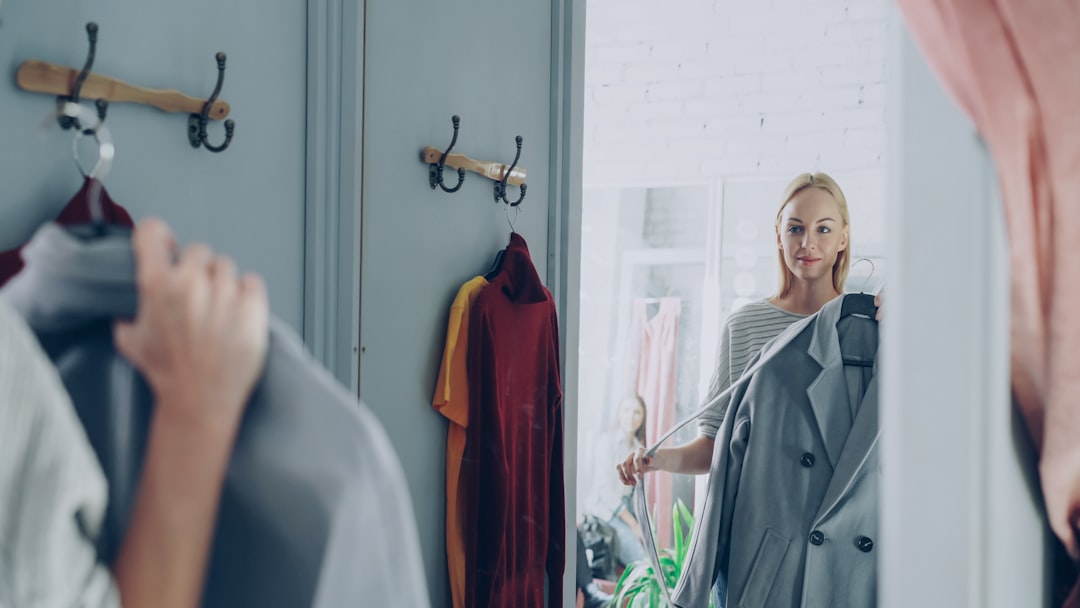
    Woman picks a coat in front of a mirror.
    Photo by Vitaly Gariev on Unsplash

    Click-Through and Conversion Metrics

    For fashion e-commerce brands, click-through rate (CTR) from video to product page or link-in-bio is where content performance connects to commercial reality. A useful CTR benchmark for fashion video on Instagram and TikTok sits between 1 and 3 percent for organic content. Paid video ads should target 2 to 5 percent depending on audience temperature. If you are producing video ads specifically, the principles in e-commerce video ads that convert are directly applicable to improving this number.

    Conversion rate from video traffic is the ultimate downstream KPI. Use UTM parameters on every link associated with a video to track what percentage of video-driven visitors complete a purchase. This isolates video’s true contribution to revenue rather than bundling it into general traffic attribution.

    Revenue per video is the most advanced metric in this stack but worth building toward as your attribution setup matures. It allows you to rank video assets by direct commercial value, which transforms your content planning from intuition-led to data-led.

    For brands using video directly on product pages, add-to-cart rate uplift is a clean KPI for measuring video’s role in the purchase decision. Research consistently shows that product pages with video outperform static-only pages — tracking this at the page level quantifies the impact precisely. The strategy behind this is covered in depth in the guide on using outfit videos on product pages to lift CVR.

    Platform-Specific KPIs to Monitor

    Aggregating performance across platforms obscures what is actually happening on each one. TikTok, Instagram Reels, YouTube Shorts, and Pinterest each have distinct algorithm logic, audience behaviour, and native metrics. Track them separately.

    • TikTok: Focus on average watch time, completion rate, and the “For You” reach percentage (the proportion of views coming from non-followers). High non-follower reach indicates algorithmic favour.
    • Instagram Reels: Track saves per reach (saves divided by total reach), shares, and profile visits per reel. Reach is less meaningful here because the algorithm has always been more relationship-weighted.
    • YouTube Shorts: Subscriber conversion rate (viewers who subscribe after watching) is a uniquely valuable KPI here because YouTube’s ecosystem rewards subscriber growth with long-term search and recommendation distribution.
    • Pinterest: Outbound clicks and saves are the primary KPIs. Pinterest users are in a planning mindset, so high save rates indicate that your content is being collected for future purchasing decisions.

    Building a Fashion Video Reporting Framework

    The difference between brands that improve and brands that plateau is almost always reporting cadence. A structured reporting framework does not need to be complex. It needs to be consistent.

    1. Set a reporting frequency. Weekly reviews for active campaigns, bi-weekly for evergreen content. Monthly summaries for strategic planning.
    2. Define your primary KPI by objective. Brand awareness campaigns prioritise completion rate and shares. Conversion campaigns prioritise CTR and revenue per video. Do not average across objectives.
    3. Build a content performance log. Every video published should have a row: platform, format, publish date, completion rate, CTR, conversions, and a brief creative notes column. Over three to six months, patterns emerge that inform production decisions.
    4. Run creative tests systematically. Change one variable at a time — hook, format, caption, CTA — and measure the effect on your primary KPI. This is how you build a brand-specific knowledge base rather than relying on generic best practices.
    5. Review your seasonal benchmarks quarterly. Fashion is inherently seasonal, and KPIs will shift between periods. A seasonal fashion video strategy should be paired with adjusted benchmarks so you are comparing like for like.

    FAQ

    What are the most important fashion video KPIs for a small brand just starting out?

    Start with three: completion rate, saves, and click-through rate. Completion rate tells you if your content is watchable. Saves tell you if your audience finds it valuable enough to return to. CTR tells you if it is driving traffic. These three metrics together give you a clear picture of content quality and commercial potential without requiring complex attribution infrastructure.

    How do I track conversions from organic fashion video content?

    Use UTM parameters on every link you attach to a video — in your bio, in captions where platform-linked, or in pinned comments. These parameters feed into Google Analytics or your e-commerce platform’s attribution reports and allow you to isolate traffic and purchases originating from specific videos or campaigns. Many brands also use platform-native conversion tracking (Meta Pixel, TikTok Pixel) for additional data points.

    Is video completion rate more important than view count?

    Yes, in almost every case. View count measures exposure; completion rate measures impact. A video with 50,000 views and a 70 percent completion rate will almost always outperform a video with 500,000 views and a 10 percent completion rate in terms of algorithm distribution, audience retention, and downstream commercial results. Platforms have shifted heavily toward rewarding time-spent over raw impression volume.

    How often should I review my video marketing metrics for fashion content?

    A weekly review of active content is a strong baseline. This allows you to identify early signals — a video gaining unusual traction, or a campaign underperforming — while there is still time to act. Monthly reviews should focus on trend analysis: which formats, topics, and posting times are consistently outperforming across your content library. Quarterly reviews should feed directly into your content and production planning.

    What is a good benchmark for fashion video CTR on TikTok and Instagram?

    For organic content, a CTR of 1 to 3 percent from video to a linked destination is a reasonable benchmark for fashion brands with an engaged, relevant audience. For paid video ads targeting warm audiences (retargeting or lookalikes), 2 to 5 percent is achievable with strong creative. Cold-audience paid video typically lands between 0.5 and 1.5 percent. These figures vary by product category, price point, and how well the video content aligns with the audience’s existing intent.

    Ready to turn your outfit photos into scroll-stopping videos? Try Outfit Video free and create your first AI fashion video in minutes.
    Want to create polished fashion videos without a studio or editing skills? Try Outfit Video free and turn your outfit photos into scroll-stopping clips in minutes.

  • AI Styling Assistant: How Tech Is Changing Fashion Content

    AI Styling Assistant: How Tech Is Changing Fashion Content

    ai styling assistant is no longer a novelty reserved for luxury retailers with deep technology budgets — it is becoming an essential tool for any brand or creator serious about scaling content, improving personalisation, and driving conversions. Understanding how ai fashion technology actually works, and where it delivers real commercial value, is now a competitive necessity.

    Key Takeaways

    • AI styling assistants use machine learning to analyse fit, colour, and style preferences at scale, reducing the manual labour behind content creation.
    • Virtual stylist AI tools are moving from recommendation engines to full content production systems capable of generating video and visual assets.
    • Fashion brands using AI styling tools report faster content pipelines, lower production costs, and improved personalisation across channels.
    • AI-generated fashion video content is proving particularly effective on TikTok, Instagram Reels, and Pinterest, where high-frequency posting drives discoverability.
    • The most effective strategies combine AI automation with a clear brand voice and human creative direction.

    What Is an AI Styling Assistant and How Does It Work

    An ai styling assistant is a software system trained on large datasets of fashion imagery, consumer behaviour, trend data, and style taxonomy. At its core, the technology uses computer vision to identify garments, colour palettes, silhouettes, and occasion categories. It then applies pattern recognition — often through a neural network — to match items, suggest outfits, or generate content that aligns with a defined aesthetic.

    Early implementations of virtual stylist ai were primarily recommendation engines embedded in e-commerce product pages. A shopper viewing a blazer would receive automated suggestions for trousers or shoes that completed the look. While useful, these tools were reactive — they responded to what a customer was already browsing rather than proactively building content or guiding editorial decisions.

    Modern AI styling tools have expanded well beyond recommendations. They now assist with lookbook generation, outfit video production, catalogue organisation, and social content scheduling. The shift from reactive to proactive is what makes current ai fashion technology commercially significant for brands of every size.

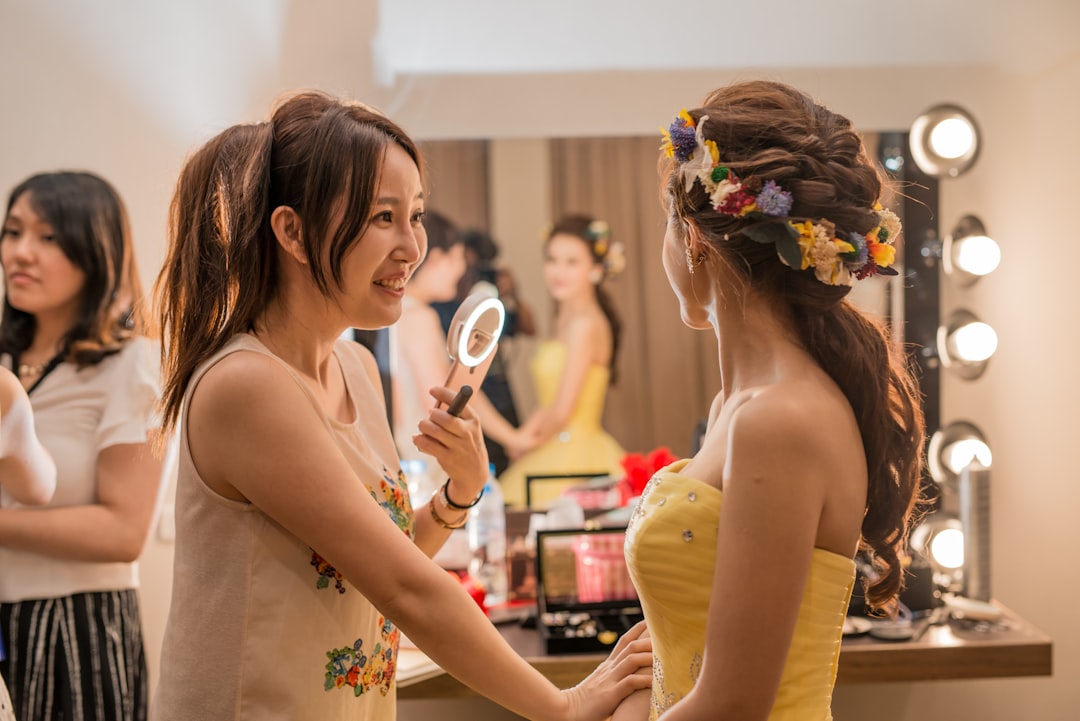
    a woman is looking at herself in the mirror
    Photo by 婚禮 攝影師 on Unsplash

    The Role of Virtual Stylist AI in Content Production

    Content volume is one of the most persistent challenges for fashion brands operating across TikTok, Instagram, Pinterest, and YouTube simultaneously. Each platform has different aspect ratios, pacing expectations, and audience behaviours. Producing native content for all of them with a small team is genuinely difficult without automation.

    This is where virtual stylist ai creates measurable value. By automating the interpretation of outfit combinations and translating them into formatted video or image assets, AI tools reduce the production bottleneck without sacrificing creative consistency. Outfit Video is a direct example of this: the platform converts static outfit photographs into short-form fashion videos optimised for social platforms, removing the need for a film crew, model availability, or a video editing suite.

    For creators looking to understand how AI can be applied at scale across a content calendar, how fashion influencers use AI to scale content offers a detailed breakdown of the workflows that high-output creators are building with these tools.

    Personalisation at Scale: AI Fashion Technology Beyond the Algorithm

    Personalisation in fashion marketing has historically required significant manual effort — segmented email campaigns, individually styled lookbooks, or sales staff trained to match products to individual customer profiles. Ai fashion technology changes this equation by making personalisation scalable and data-driven.

    Machine learning models can now identify style clusters within a brand’s customer base and generate distinct content streams tailored to each segment. A brand with customers ranging from minimalist professionals to statement-led streetwear buyers can produce separate AI-styled outfit videos for each group, automatically formatted for the platforms where each audience is most active.

    This personalisation extends to product pages as well. Embedding outfit videos directly in the shopping experience — showing how individual pieces work within complete looks — has a well-documented impact on conversion rate. The mechanics of this are explored in depth in the guide to using outfit videos on product pages to lift CVR.

    For AI styling tools to deliver on personalisation, they require clean product data, consistent imagery, and a defined style framework. Brands that invest in structured product taxonomy — accurate tagging of occasion, silhouette, colour, and material — see substantially better outputs from AI styling systems than those feeding the technology inconsistent or incomplete data.

    a couple of mannequins standing next to each other
    Photo by Haus Yang on Unsplash

    Trend Forecasting and the AI Styling Layer

    One of the less-discussed applications of ai fashion technology is its use in trend analysis and forward planning. AI systems can ingest social media signals, search trend data, runway imagery, and consumer purchase patterns to identify emerging style directions weeks or months before they become mainstream.

    For content creators and brand strategists, this forecasting capability translates directly into editorial planning. An AI styling assistant informed by trend data can suggest which outfit combinations to feature in upcoming content, which colour palettes are gaining traction, and which silhouettes are declining — allowing brands to position content ahead of the curve rather than reacting to what competitors are already producing.

    Planning content systematically around these signals — aligned to seasonal peaks and campaign windows — is a strategic discipline in its own right. A structured approach to this is outlined in the seasonal fashion video strategy guide, which covers how to organise production and publishing by quarter.

    What AI Styling Tools Cannot Replace

    It is important to apply the same analytical rigour to the limitations of virtual stylist ai as to its capabilities. AI systems are trained on existing data, which means they are inherently retrospective. A model trained on past fashion imagery will reflect the biases, aesthetic norms, and demographic patterns embedded in that data. Brands serving diverse audiences need to be deliberate about auditing AI outputs for representation and inclusivity.

    Creative direction also remains a distinctly human responsibility. An AI styling assistant can generate outfit combinations that are technically coherent — matching colour, occasion, and proportion — but it does not carry a brand’s cultural references, founding story, or emotional positioning. The most effective implementations use AI to handle volume and consistency while reserving strategic and narrative decisions for human creatives.

    There is also a risk of homogenisation. If multiple brands use similar AI styling tools trained on the same datasets, the outputs can converge — producing content that is technically competent but visually indistinct. Differentiation requires intentional creative input that shapes how AI tools are configured and what constraints they operate within.

    Integrating AI into Fashion Video Workflows Practically

    For brands and creators ready to build AI into their content process, the practical starting point is identifying which part of the production chain consumes the most time relative to its strategic value. For most fashion businesses, that bottleneck is video production — specifically the translation of product photography into short-form video assets suitable for social platforms.

    AI video tools address this directly. By taking existing outfit photography and applying motion, transitions, and platform-specific formatting automatically, they compress what would otherwise be a multi-day editing process into minutes. The result is a content pipeline capable of sustaining the posting frequency that platform algorithms reward without requiring proportional increases in headcount or budget.

    Brands scaling their AI lookbook generation alongside video production will find additional context in the guide to how brands build catalogues faster with AI lookbook generators, which covers the asset creation side of the same workflow.

    The broader point is that ai fashion technology is most valuable when it is integrated into an end-to-end content system rather than applied as a standalone tool. Styling intelligence, video generation, trend data, and distribution strategy work together — and brands that connect these elements build a durable competitive advantage in content marketing.

    FAQ

    What does an AI styling assistant actually do for a fashion brand?

    An ai styling assistant automates the process of creating outfit combinations, generating content assets, and personalising product recommendations. It uses computer vision and machine learning to analyse garments, match them according to style rules, and produce visual or video outputs at a scale that would be impractical for human stylists alone.

    Is virtual stylist AI only useful for large fashion brands?

    No. Virtual stylist ai tools are increasingly accessible to small and mid-sized brands and independent creators. Many AI styling and video generation platforms operate on subscription models with no minimum content volume, making them viable for businesses with limited production resources.

    How does AI fashion technology improve conversion rates?

    Ai fashion technology improves conversion by delivering more relevant outfit suggestions, enabling personalised content at scale, and making it easier for brands to produce high-quality video content that shows products in context. Shoppers who see how a garment works within a complete outfit are statistically more likely to purchase than those viewing isolated product images.

    Can AI styling tools replace a human fashion stylist?

    Not entirely. AI styling tools excel at volume, consistency, and data-driven pattern matching. However, human stylists bring cultural context, brand narrative, and editorial judgement that AI systems currently cannot replicate. The most effective approach combines AI automation with human creative oversight.

    What inputs does an AI styling assistant need to produce good outputs?

    Quality outputs depend on quality inputs. AI styling systems perform best with clean, consistent product photography, accurate and detailed product tagging, and a clearly defined style framework or brand aesthetic. Brands that invest in structured product data and image consistency will see substantially better results from AI styling tools than those with fragmented or incomplete catalogues.

    Ready to turn your outfit photos into scroll-stopping videos? Try Outfit Video free and create your first AI fashion video in minutes.
    Want to create polished fashion videos without a studio or editing skills? Try Outfit Video free and turn your outfit photos into scroll-stopping clips in minutes.

  • E-commerce Video Ads That Convert: Fashion Edition

    E-commerce Video Ads That Convert: Fashion Edition

    Static product images once dominated fashion e-commerce. Today, brands running ecommerce video ads for fashion consistently outperform those relying on photography alone — often by significant margins. Video communicates fabric movement, fit, and styling context in seconds, doing the work that a dozen flat product shots cannot. But high performance does not happen by accident. The difference between a video ad that scrolls past and one that converts lies in structure, timing, and creative precision. This guide breaks down exactly what makes fashion video advertising work at every stage of the funnel.

    Key Takeaways

    • The first two seconds of a fashion video ad determine whether a viewer stops scrolling or moves on — lead with visual impact, not branding.
    • Video ads that show garments in motion consistently achieve higher video ad conversion rates in fashion than static or minimal-movement formats.
    • Short-form ads under 15 seconds perform best for awareness; 30–60 second formats suit retargeting and consideration stages.
    • Platform-native formatting — vertical for TikTok and Reels, square for Pinterest — is essential for maximising visibility and completion rates.
    • AI-powered video tools allow fashion brands of any size to produce conversion-focused video ads without studio budgets.
    • Strong creative is only half the equation — matching ad format to funnel stage is what drives measurable revenue.

    Why Video Outperforms Static in Fashion Ads

    Fashion is a sensory category. Customers want to understand how a garment moves, how it drapes, and how it looks styled — none of which a single static image can adequately communicate. Fashion video advertising closes this gap by replicating something close to the in-store experience inside a two-to-thirty-second window.

    Platform data consistently supports this. Meta reports that video ads in fashion retail generate significantly higher click-through rates than image-only formats. TikTok’s internal research shows that ads featuring product-in-motion content drive stronger purchase intent than those without movement. Pinterest reports that video Pins generate more saves and outbound clicks than static Pins in the apparel category.

    The mechanism is straightforward: movement attracts attention, context builds desire, and a clear call to action converts that desire into a click. When all three elements are present in a single video ad, the funnel compresses — and video ad conversion rates in fashion rise accordingly.

    For brands managing product pages, embedding video at the point of purchase reinforces the same principle. If you want to understand how video lifts conversion rates directly on site, the breakdown in how to use outfit videos on product pages to lift CVR is a practical starting point.

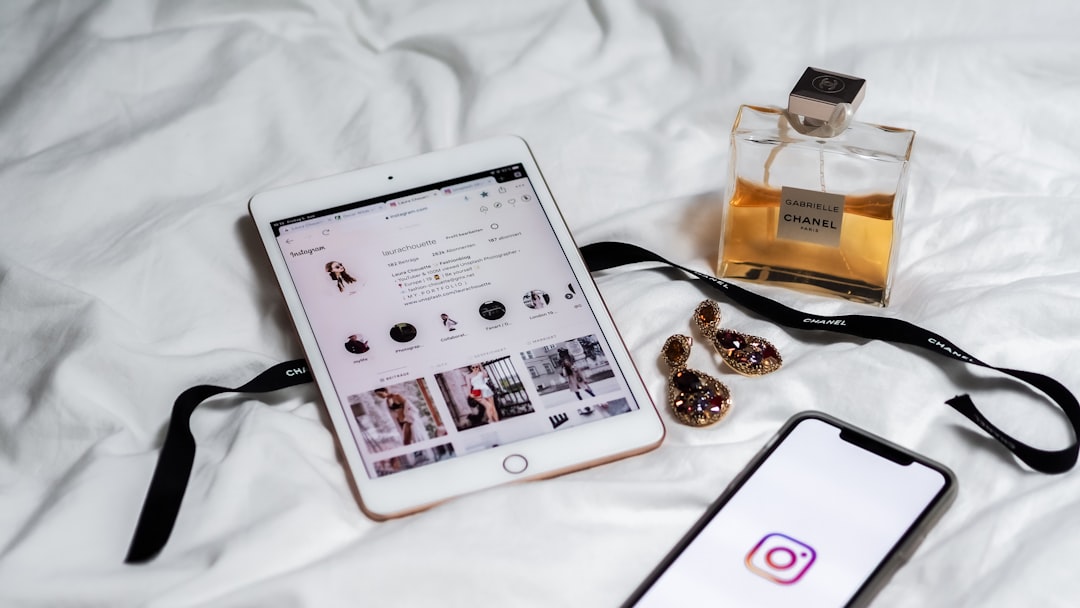
    white ipad on white textile
    Photo by Laura Chouette on Unsplash

    Structure of a High-Converting Fashion Video Ad

    Every effective ecommerce video ad for fashion follows a recognisable structure, even when it feels spontaneous. Understanding that structure allows you to build it deliberately rather than hope it emerges naturally.

    1. Hook (0–2 seconds): The first frame must earn attention. This means leading with movement, colour contrast, or an instantly recognisable styling moment — not a logo or brand name. Most viewers make the decision to watch or scroll within one and a half seconds.
    2. Product showcase (2–10 seconds): Show the garment clearly and in context. Movement is critical here. Walk cycles, fabric sway, and outfit transitions demonstrate fit and quality far more effectively than posed stillness.
    3. Social proof or value signal (10–20 seconds): A brief overlay of a review quote, a price reveal, a “as seen on” reference, or a scarcity signal (“limited sizes remaining”) adds the persuasive layer that moves viewers from interest to intent.
    4. Call to action (final 3–5 seconds): Be explicit. “Shop now,” “View the full collection,” or “Get 20% off today” with a visible link or button. Ambiguous endings waste the attention you have earned.

    This structure applies whether you are running a six-second bumper ad or a 45-second retargeting video. Scale the middle sections, not the hook or the CTA.

    Matching Ad Length to Funnel Stage

    One of the most consistent mistakes in fashion video advertising is applying the same creative length to every audience segment. Ad length should be determined by where the viewer sits in the buying journey, not by how much you want to say.

    • Awareness (cold audiences): Six to fifteen seconds. Prioritise visual impact and a single clear message. Introduce the brand or collection through strong imagery. Do not attempt to close a sale at this stage.
    • Consideration (engaged audiences): Fifteen to thirty seconds. You have permission to add context — styling options, material detail, brand story, or a specific product feature. These viewers have already shown interest and will tolerate more information if it is visually delivered.
    • Retargeting (high-intent audiences): Thirty to sixty seconds. Viewers who have visited your site, added to cart, or engaged with previous ads respond to more detailed content. This is where testimonials, outfit walkthroughs, and limited-time offers perform strongly.

    Aligning creative length to funnel stage is one of the highest-leverage adjustments a fashion brand can make to its paid media strategy. It reduces wasted spend and ensures each ad does the specific job it was built for.

    Model posing for photographer in studio lighting
    Photo by Vitaly Gariev on Unsplash

    Platform-Specific Creative Requirements

    Publishing the same video across every platform is one of the fastest ways to undermine campaign performance. Each platform has distinct technical specs, viewer behaviours, and algorithm preferences that directly affect whether your ecommerce video ads for fashion are served, completed, and acted upon.

    • TikTok and Instagram Reels: Vertical 9:16 format is non-negotiable. Native-looking content — natural lighting, direct camera address, trending audio — consistently outperforms polished brand content. Captions are essential; a significant proportion of Reels and TikTok content is watched without sound.
    • YouTube Shorts: Vertical format, under 60 seconds, with a strong verbal hook in the first three seconds. YouTube’s audience skews toward longer attention spans than TikTok, making slightly more narrative-driven content viable.
    • Pinterest: Square or vertical format, with text overlays that communicate the value proposition without requiring sound. Pinterest users are actively planning purchases, making product-specific ads particularly effective here.
    • Meta (Facebook and Instagram Feed): Square (1:1) performs well in feed placements. Stories and Reels require 9:16. Safe zones for text and graphics differ between placements — always check current specs before publishing.

    For brands producing content across all these channels, the challenge is volume. Creating separate assets for each platform manually is slow and expensive. AI video tools solve this by enabling rapid reformatting and variant creation from a single source.

    The production and formatting principles covered in outfit transition videos: trending formats for 2026 are directly applicable to paid ad creative across these platforms.

    Creative Formats That Drive Fashion Video Ad Conversion

    Within the broader category of fashion video advertising, certain creative formats consistently outperform others when the objective is direct conversion.

    • Outfit transition videos: Fast cuts between multiple looks featuring the same item demonstrate versatility and increase perceived value. They also perform exceptionally well with algorithm-driven distribution because completion rates are high.
    • Before-and-after styling: Showing a simple base look transformed by a single product — a jacket, accessory, or shoe — is a highly effective device for communicating product impact quickly.
    • Flat lay to styled look: Animated flat lay sequences that transition into styled outfit photography create visual interest while communicating product detail. AI tools can generate this format efficiently from existing product photography.
    • UGC-style direct address: A creator or customer speaking directly to camera about a specific product, styled naturally rather than produced, consistently performs well in retargeting contexts because it reads as authentic recommendation rather than advertising.

    Understanding which format to deploy requires knowing your audience and testing systematically. The performance data in fashion UGC vs brand video: what converts better provides a detailed breakdown of how these two broad creative categories compare across different campaign objectives.

    Using AI to Scale Fashion Video Ad Production

    The volume of creative assets required for effective ecommerce video advertising in fashion — multiple formats, multiple platforms, multiple audience segments — has historically made paid video inaccessible for smaller brands and expensive for larger ones. AI video generation changes that equation materially.

    Outfit Video transforms existing outfit photography into short-form video content formatted for TikTok, Reels, Shorts, and Pinterest. Brands that already have product photography can generate video ad variants without additional shoots, talent, or post-production time. This matters for paid media specifically because testing requires volume. Running multiple creative variants against different audience segments is the only reliable way to identify what converts — and AI production makes that testing economically viable at any budget level.

    The practical implication is that fashion brands can now operate with the creative agility that was previously only available to those with large in-house production teams or agency relationships. A single seasonal collection can generate dozens of video ad variants, each formatted for a specific platform and funnel stage, without proportionally increasing production costs.

    For brands tracking whether that creative investment is generating measurable return, the framework in fashion video marketing KPIs you should actually track covers the metrics that actually matter for conversion-focused campaigns.

    FAQ

    How long should a fashion video ad be for best conversion rates?

    It depends on the funnel stage. For cold audiences, six to fifteen seconds is optimal. For retargeting warm or high-intent audiences, thirty to sixty seconds allows for more persuasive detail without losing viewer attention. The key principle is that ad length should match the level of familiarity the viewer already has with your brand or product.

    What is the single most important element of a high-converting fashion video ad?

    The hook. The first one to two seconds determine whether a viewer stops or scrolls. Leading with strong movement, visual contrast, or an immediately compelling outfit moment is more important than any other single creative decision. Branding and product information can follow — but only if you have earned the viewer’s attention first.

    Do fashion video ads need to be professionally produced to perform well?

    Not necessarily. On platforms like TikTok and Instagram Reels, native-looking content frequently outperforms high-production brand video because it feels less like an advertisement. What matters more than production value is visual clarity, movement, captions, and a strong call to action. AI video tools have made it possible to produce effective ad creative from existing product photography without a production budget.

    Which platform delivers the best results for fashion video advertising?

    There is no universal answer — it depends on your audience demographics, product price point, and campaign objective. TikTok and Instagram Reels deliver strong results for discovery and awareness in younger demographics. Pinterest performs well for higher-intent purchase-ready audiences. YouTube is effective for retargeting and longer consideration cycles. Most fashion brands benefit from running across multiple platforms with platform-native creative rather than concentrating spend on one channel.

    How many video ad variants should a fashion brand test?

    A minimum of three to five variants per audience segment is recommended to generate statistically meaningful performance data. Variants should test different hooks, creative formats, or calls to action — not minor edits like colour grading. AI video generation makes producing this volume of variants practical without significant additional cost, enabling faster identification of the creative approaches that drive the strongest video ad conversion rates in fashion.

    Ready to turn your outfit photos into scroll-stopping videos? Try Outfit Video free and create your first AI fashion video in minutes.
    Want to create polished fashion videos without a studio or editing skills? Try Outfit Video free and turn your outfit photos into scroll-stopping clips in minutes.

  • How Fashion Influencers Use AI to Scale Content

    How Fashion Influencers Use AI to Scale Content

    The most successful fashion influencers posting daily across TikTok, Instagram Reels, and YouTube Shorts are not working harder than everyone else — they are working with smarter tools. Fashion influencer AI has fundamentally changed what a solo creator or small team can produce, allowing them to match the output of full production studios without the overhead. Understanding exactly how they do it is the clearest competitive advantage available to any creator or brand right now.

    Key Takeaways

    • AI tools allow fashion influencers to produce platform-ready video content from static outfit photos, eliminating the need for daily filming sessions.
    • Batching content creation with AI enables influencers to scale fashion content across multiple platforms simultaneously without proportional increases in time or cost.
    • The highest-performing influencers use AI for ideation, video generation, captioning, and repurposing — treating it as a full production pipeline, not a single shortcut.
    • AI content creation for influencers reduces dependence on camera crews, studio time, and editing freelancers, compressing turnaround from days to hours.
    • Authenticity and creative direction still come from the human — AI handles the execution layer, freeing influencers to focus on audience relationships and brand strategy.

    The Production Problem AI Solves for Fashion Influencers

    Fashion content has a volume problem. Algorithms on TikTok and Instagram reward consistency and frequency, which means posting two or three times per week is no longer competitive for creators trying to grow. The platforms that drive the most fashion discovery — TikTok, Reels, YouTube Shorts, and Pinterest — all favour short-form video over static images, and producing that volume of video traditionally requires time, equipment, and editing skills that most individual creators simply do not have in abundance.

    The result was a two-tier creator economy: influencers with production budgets could hire videographers and editors, while everyone else struggled to keep up. AI content creation for influencers collapses that divide. Tools that convert outfit photos into polished short-form videos mean a creator can shoot a week of looks in a single afternoon, then generate the corresponding video content in hours rather than days.

    This is not about cutting corners on quality. It is about removing the bottleneck between having great style ideas and getting them in front of an audience. The creative vision remains entirely the influencer’s — the AI handles the production execution.

    the letters are made up of different colors
    Photo by Steve A Johnson on Unsplash

    How AI Video Generation Works in Practice

    The core workflow most fashion influencers now use follows a straightforward pattern. A creator photographs multiple outfits — often in a single session under consistent lighting — and feeds those images into an AI video tool. The tool animates the photos, adds motion, applies transitions, and outputs a format-ready video for whichever platform is the target.

    Outfit Video is built specifically for this workflow. Outfit photos are uploaded and transformed into short-form fashion videos optimised for TikTok, Instagram Reels, YouTube Shorts, and Pinterest Video Pins — without the influencer needing to touch editing software. The output is platform-native content that looks intentionally produced, not algorithmically assembled.

    For influencers already experimenting with static presentations, tools that add motion to flat lay photography extend the same principle. Converting a well-styled flat lay into a moving video dramatically increases its reach potential on video-first platforms. The technique is covered in detail in How to Add Motion to Flat Lay Photos With AI, and it integrates naturally into a broader AI production pipeline.

    Batching and Repurposing: The Multiplier Effect

    The influencers scaling fastest with AI are not simply generating one video per outfit — they are using a single outfit shoot to produce multiple distinct content assets across formats and platforms. This approach, often called content batching, is where fashion influencer AI delivers its greatest return.

    A single outfit session might yield:

    • A short transition video for TikTok and Reels
    • A slower, detail-focused video for Pinterest Video Pins
    • A YouTube Shorts cut with a different opening hook
    • An animated flat lay for use in email marketing or product pages
    • A mood board video for brand partnership pitches

    Each of these serves a different audience intent and platform algorithm without requiring additional shooting time. The strategy of extracting maximum value from a single creative session is explored in depth in How to Repurpose One Outfit Into 10 Video Formats, which maps out exactly how to structure this kind of pipeline.

    When combined with a seasonal fashion video strategy, batching allows influencers to plan and produce an entire quarter of content in advance — a level of forward planning that was previously only realistic for brand marketing teams with dedicated resources.

    a close up of a piece of paper with a sign on it
    Photo by Walls.io on Unsplash

    AI for Ideation, Scripting, and Captions

    Video generation is only one component of the AI content creation influencer workflow. The most productive creators are also using AI at the ideation and post-production stages, creating an end-to-end system that minimises manual effort across the entire content lifecycle.

    At the front end, AI tools help with trend research and content ideation — identifying which formats, sounds, and visual styles are gaining traction on specific platforms. This allows influencers to align their content with algorithmic momentum rather than guessing what will perform.

    At the back end, AI-assisted captioning and subtitle generation solve one of the most time-consuming post-production tasks. Captions are no longer optional on short-form video — they directly affect watch time and accessibility. Automated captioning tools cut the time required from hours to minutes, and understanding how to use them effectively is covered in Fashion Video Captions and Subtitles: Best Practices.

    Scripting assistants help influencers develop hooks, calls to action, and voiceover copy at scale, ensuring that each video has a clear narrative structure even when produced in high volume. The combination of AI-generated video and AI-assisted scripting means a creator can maintain consistent quality across fifty pieces of content per month rather than the five or ten that manual production typically allows.

    What Influencers Still Control — And Why It Matters

    A common concern about AI-driven content creation is the risk of homogenisation — that if everyone uses the same tools, all content starts to look the same. In practice, the opposite tends to be true when AI is used correctly. The tools handle execution; the creative decisions that define a distinct influencer identity remain entirely human.

    Outfit curation, colour palette choices, styling perspectives, audience voice, and the specific angles an influencer takes on trends are all creative inputs that no AI tool currently replicates. What AI eliminates is the gap between having those ideas and getting them published. An influencer who previously had to choose between creating content and engaging with their audience can now do both, because the production layer no longer consumes the majority of their time.

    The influencers building the most durable audiences treat AI as a production partner rather than a replacement for creative thinking. They invest the time saved into community building, brand partnership development, and the kind of strategic content planning that compounds over time.

    Scaling From Creator to Content Business

    The ceiling for what an individual fashion influencer can build has risen substantially as AI tools have matured. Creators who previously needed to choose between growth and sustainability can now operate at brand-level output without hiring a team. The economics of content creation have shifted: the variable cost of producing an additional video is now close to zero once a workflow is established.

    This changes the nature of brand partnerships as well. Influencers who can credibly offer consistent, multi-platform, high-volume content delivery command higher fees and longer-term agreements. Brands increasingly want content partners who can produce at scale, not just occasional campaign posts.

    For influencers considering how AI-generated content fits into a broader commercial strategy, understanding performance metrics is essential. Knowing which videos are actually driving results — rather than just accumulating views — is what separates creators building a business from those building an audience without monetisation. The relevant measurement framework is laid out in Fashion Video Marketing KPIs You Should Actually Track.

    The shift toward AI-assisted production is not a trend that will reverse. The influencers who integrate these tools now are establishing workflows, audience habits, and platform presence that will be significantly harder for late adopters to replicate. The technical barrier to scaling fashion content with AI is lower than it has ever been — the remaining barrier is simply deciding to start.

    FAQ

    What does fashion influencer AI actually mean in practice?

    Fashion influencer AI refers to the use of artificial intelligence tools throughout the content creation process — from generating video from outfit photos and animating static images, to assisting with captions, scripting, trend research, and content scheduling. In practice, it means a creator can produce more content, across more platforms, in less time, without proportionally increasing their workload or budget.

    Can AI-generated fashion videos look authentic, or do they appear obviously automated?

    When produced with tools designed specifically for fashion content, AI-generated videos are indistinguishable from manually edited content in terms of visual quality. The authenticity of the content depends on the creative inputs — the styling, the personality, the voice — all of which come from the human creator. AI handles the production mechanics, not the creative identity.

    How do influencers scale fashion content across multiple platforms without losing quality?

    The most effective approach is to shoot content in batches and use AI to generate platform-specific variations from the same source material. A single outfit shoot can produce videos formatted for TikTok, Reels, YouTube Shorts, and Pinterest simultaneously. Maintaining consistent lighting, styling standards, and on-brand creative direction across all outputs ensures quality does not degrade as volume increases.

    Is AI content creation for influencers suitable for small or emerging creators, or only established accounts?

    AI content creation tools are particularly valuable for smaller creators because they remove the production bottleneck that typically disadvantages accounts without production budgets. An emerging influencer using AI tools can produce content at a volume and quality level that was previously only accessible to creators with significant resources, accelerating audience growth during the critical early stages of building a following.

    What types of outfit content work best when converted to AI-generated video?

    Clean, well-lit outfit photos with clear subject focus convert most effectively. Full-length shots, flat lays, and detail images all work well with AI video generation tools. Consistent backgrounds and strong natural or artificial lighting produce the cleanest outputs. Variety in outfit composition — mixing close-ups with full looks — gives the AI more material to work with when generating dynamic video content.

    Ready to turn your outfit photos into scroll-stopping videos? Try Outfit Video free and create your first AI fashion video in minutes.
    Want to create polished fashion videos without a studio or editing skills? Try Outfit Video free and turn your outfit photos into scroll-stopping clips in minutes.

  • How to Create a Fashion Brand Mood Board Video

    How to Create a Fashion Brand Mood Board Video

    Your brand has an aesthetic. The question is whether your audience can feel it within the first three seconds of watching your content. A fashion mood board video answers that question before a single product is shown — it establishes colour palettes, textures, cultural references, and emotional tone in a format that moves. Static mood boards have served designers and stylists for decades, but video transforms that curation into something immersive, shareable, and algorithmically viable. Whether you are launching a new collection, rebranding, or simply trying to articulate what your label stands for, turning your brand mood board into a short-form video is one of the highest-leverage pieces of content you can produce.

    Key Takeaways

    • A fashion mood board video translates static brand references into a dynamic, shareable format that communicates aesthetic identity instantly.
    • The strongest mood board videos are built around a clear visual hierarchy: colour, texture, silhouette, and cultural context.
    • AI tools allow brands to animate still imagery and outfit photos into video without professional production equipment.
    • Mood board videos perform across TikTok, Instagram Reels, Pinterest, and as brand introduction content on product pages.
    • Music, pacing, and transition style carry as much brand meaning as the images themselves.
    • A single set of mood board assets can generate multiple video formats for different platforms and campaign phases.

    What a Fashion Mood Board Video Actually Is

    A fashion mood board video is a short-form visual composition — typically between fifteen and sixty seconds — that assembles brand references, colour stories, texture details, editorial imagery, and outfit photography into a moving sequence. Unlike a product video, it does not exist to sell a specific item. Unlike a lookbook video, it does not follow a model through a narrative. Its purpose is purely atmospheric: to define and communicate visual branding through motion, rhythm, and juxtaposition.

    Think of the difference between pinning images to a physical board and editing those same images into a fifteen-second clip set to music. The pin board is reference material. The video is a brand statement. Audiences on TikTok and Reels experience it as content rather than as a design document, which means it generates engagement, saves, and shares — outcomes a static board never could.

    Mood board videos are particularly effective at the top of the funnel. A new visitor to your profile who watches a well-constructed mood board video understands your brand’s aesthetic language in seconds. That compression of meaning is what makes the format worth investing in.

    woman in white dress illustration
    Photo by Helena Lopes on Unsplash

    Define Your Visual Language Before You Edit

    The most common mistake brands make when producing a visual branding video is opening an editing tool before they have clarity on what they are trying to say. Mood boards fail when they are merely a collection of things the brand likes rather than a coherent argument about what the brand is.

    Before selecting a single image, answer the following:

    • Colour story: What three to five colours define your current collection or seasonal direction? Every asset in the video should connect to this palette.
    • Texture and material language: Is your brand built around raw denim, liquid satin, brushed wool, or technical fabrications? Close-up texture shots are the most underused element in mood board videos.
    • Cultural and visual references: Architecture, film stills, landscapes, subcultures — these contextualise your clothing within a world rather than a white void.
    • Emotional register: The difference between melancholic and aspirational, between raw and polished, is not just what you show but how long you linger on it and what sound plays beneath it.

    Write these answers down. They become your editing brief. Every clip, every transition, every second of audio should serve at least one of those four dimensions.

    Source and Prepare Your Assets

    A mood board video draws from multiple asset types. The strongest examples combine at least four of the following:

    1. Outfit photography — full looks, flat lays, or detail shots from your existing catalogue
    2. Texture and fabric close-ups filmed or photographed specifically for this purpose
    3. Reference imagery — licensed editorial photos, architecture, nature, or art that contextualises the brand world
    4. Colour field clips — solid or gradient footage in your palette colours that act as visual breaths between denser images
    5. Typography treatments — brand name, seasonal campaign title, or single-word descriptors rendered in your brand font

    If your primary assets are still photographs rather than video footage, that is not a limitation. AI tools now make it straightforward to add motion to static images. Gentle parallax movement, slow zooms into fabric detail, and ken-burns panning across an outfit shot all create the sense of a live video without requiring a camera crew. For a practical walkthrough of this technique applied to flat lay photography specifically, the guide on how to add motion to flat lay photos with AI covers the process in detail.

    On the lighting front, if you are capturing any new footage for your mood board, the choice of light quality matters more than equipment. Diffused natural light reads differently from hard directional studio light, and that difference carries aesthetic meaning. The breakdown of fashion video lighting setups is worth reviewing before you shoot any new assets for this project.

    black framed eyeglasses beside white paper
    Photo by Slidebean on Unsplash

    Structure, Pacing, and Music Selection

    A brand mood board video has an implicit three-part structure even when it appears to be a pure montage.

    The opening three to five seconds must establish the emotional world. This is usually your strongest colour or texture asset — something visually arresting that does not require context to be felt. The middle section builds density and detail: outfit compositions, reference imagery, typography. The final two to three seconds land the brand identity — logo, campaign title, or a single declarative image that you want to live in the viewer’s memory.

    Pacing is where brands consistently err toward excess. Cutting too fast fragments the atmosphere you are building. Each asset should have enough screen time for the viewer to absorb its quality — generally one to two seconds for a strong image, half a second for a transitional or textural moment. At thirty seconds total, that gives you roughly fifteen to twenty distinct moments, which is sufficient to build a complete visual argument.

    Music is not a background choice. The tempo determines whether your brand reads as urgent or considered. The genre signals cultural affiliation. The specific track carries emotional associations that your images inherit. License music properly — either through a platform like Epidemic Sound or through the royalty-free libraries available within most short-form video platforms. A wrong music choice will undermine assets you spent hours curating.

    Transition style also carries meaning. Hard cuts read as editorial and confident. Dissolves read as soft and romantic. Whip pans and flash cuts signal energy and movement. Choose one or two transition types and apply them consistently. Inconsistent transitions signal a lack of editorial discipline, which works against the authority a mood board video is designed to establish.

    Platform Distribution and Repurposing the Video

    Once your mood board video exists, it has multiple lives across different platforms and contexts. A thirty-second version serves TikTok and Instagram Reels as organic content. A fifteen-second edit works as a Shorts asset or a paid social pre-roll. A looping ten-second version is effective as a video on product pages, where it establishes brand context before a customer reads product details. Pinterest Video Pins respond particularly well to mood board content because the platform’s own logic is built around aspiration and aesthetic curation — the Pinterest Video Pins guide covers optimisation specifics for that context.

    Aspect ratio discipline matters here. Export your master edit in 9:16 for vertical platforms. If you plan to use it on a website hero or in email, a 16:9 or 1:1 crop of the same content is usually achievable without losing the core composition. Build this into your asset preparation rather than treating it as an afterthought.

    Mood board videos also function as campaign openers in seasonal content planning. Releasing a mood board video at the beginning of a new season establishes the visual language for every subsequent piece of content — it is a brief for your audience as much as it is for your internal team.

    Using AI to Produce Mood Board Videos Efficiently

    The production barrier for mood board videos has dropped significantly with the availability of AI video generation tools. Outfit Video allows fashion brands and creators to transform outfit photographs directly into short-form video content, applying motion, transitions, and formatted outputs suited to each platform without requiring editing software expertise or a video production background.

    The practical workflow looks like this: gather your curated assets — outfit photos, texture shots, any reference imagery you have rights to use — and use an AI tool to animate and sequence them. Apply your music selection and any typography overlays, then export in the required formats. A mood board video that would previously have required a freelance editor and a half-day of post-production can now be produced in under an hour.

    This efficiency matters not just for cost but for iteration. The ability to produce multiple versions — testing different colour stories, different music choices, different pacing — and make decisions based on early performance data is a significant competitive advantage. Brands that treat mood board videos as occasional campaign assets will always be behind brands that treat them as regular, iterative content.

    FAQ

    How long should a fashion mood board video be?

    For most short-form platforms, fifteen to thirty seconds is the optimal range. This is long enough to build atmosphere and communicate brand identity, but short enough to hold attention and fit within the algorithmic preferences of TikTok, Instagram Reels, and YouTube Shorts. If you are producing a version for a website or brand introduction context, up to sixty seconds is acceptable, but tighter edits almost always perform better.

    Do I need professional video footage, or can I use photographs?

    Photographs are sufficient. The majority of effective mood board videos are built from still imagery that has been given motion through slow zooms, parallax effects, or gentle panning. AI tools make this process straightforward and can produce results that are visually indistinguishable from native video footage at the speeds typically used in mood board editing.

    What makes a mood board video different from a lookbook video?

    A lookbook video follows a narrative or sequential structure — typically a model wearing outfits in a location, often with direct product emphasis. A mood board video is atmospheric rather than sequential. It communicates brand world, aesthetic values, and emotional tone rather than presenting specific products. The two formats serve different purposes and different stages of the customer journey.

    How often should a fashion brand produce mood board videos?

    At minimum, once per season or collection cycle. Mood board videos are the most efficient way to communicate a new aesthetic direction to your audience before campaign content launches. Brands with higher content volume sometimes produce mood board videos monthly, tied to editorial themes or colour stories, which gives them consistent top-of-funnel content without the production demands of full campaign shoots.

    Can a small brand with limited assets produce an effective mood board video?

    Yes. A focused mood board built from ten to fifteen strong assets — even if some are product photographs rather than editorial imagery — is more effective than a sprawling collection of weak ones. Colour consistency, strong music selection, and disciplined pacing matter more than the volume or scale of assets. Many of the most compelling brand mood board videos are built from very small asset libraries by creators who have a clear point of view.

    Ready to turn your outfit photos into scroll-stopping videos? Try Outfit Video free and create your first AI fashion video in minutes.
    Want to create polished fashion videos without a studio or editing skills? Try Outfit Video free and turn your outfit photos into scroll-stopping clips in minutes.

  • Outfit Transition Videos: Trending Formats for 2026

    Outfit Transition Videos: Trending Formats for 2026

    outfit transition video has become one of the most replicated formats across TikTok, Instagram Reels, and YouTube Shorts — and for good reason. A single well-executed clothing change video can outperform static imagery by a factor of three in engagement rate, while simultaneously communicating multiple products in under fifteen seconds. As algorithms increasingly reward watch-time and completion rates, the fashion transition trend shows no sign of slowing. What is changing, however, is how these videos are made, what formats perform best, and which creative choices separate brands that convert from those that simply entertain.

    Key Takeaways

    • Outfit transition videos consistently outperform static posts in engagement and completion rate across short-form platforms.
    • The most effective formats in 2026 combine beat-synced edits, scene changes, and contextual styling to communicate product value quickly.
    • AI tools now allow brands and creators to produce transition videos from still photos, removing the need for on-set filming.
    • Platform-specific formatting, including aspect ratio, caption placement, and hook timing, significantly affects algorithm performance.
    • Transition videos work across the full funnel — from awareness on TikTok to conversion on product pages.

    Why Transition Videos Dominate Short-Form Fashion

    Short-form platforms reward content that holds attention from the first frame to the last. The outfit transition video is structurally designed to do exactly that. Each cut creates an implicit question — what comes next? — which drives viewers to watch until the final look. This mechanic is not accidental. It mirrors the psychology of reveal content, which has proven effective across beauty, home, and lifestyle categories.

    For fashion brands specifically, the format solves a core commercial problem: how do you show multiple products without losing a viewer’s attention? A single transition video can showcase three to five distinct outfits in under twenty seconds, communicating range, price point, and aesthetic far more efficiently than a carousel or product grid. The completion rate advantage is measurable. Internal data from major platforms consistently shows that videos with a mid-point reveal or transition sequence achieve completion rates fifteen to twenty-five percent higher than linear talking-head or showcase formats.

    The fashion transition trend also benefits from its low barrier to participation. When a format is easily replicated by both professional brands and individual creators, it becomes a cultural shorthand that audiences recognise and engage with instinctively. That familiarity is now being leveraged by e-commerce brands that previously relied entirely on static product photography.

    A woman poses in studio lighting.
    Photo by Andrey Myasnikov on Unsplash

    The Six Transition Formats Defining 2026

    Not all transition videos are structurally identical. In 2026, six formats have emerged as the dominant creative frameworks for clothing change videos across TikTok, Reels, Shorts, and Pinterest.

    1. The Beat-Sync Cut — edits timed precisely to a musical drop or snare hit. The visual cut and the audio cue land simultaneously, creating a satisfying jolt that rewards continued watching.
    2. The Scene Transition — the model or subject moves from one environment to another between outfits, linking aesthetic context to the clothing. A casual brunch look gives way to an evening outfit as the setting shifts from outdoor café to restaurant interior.
    3. The Mirror Wipe — a reflective surface, such as a full-length mirror or window, is used as the visual device that triggers the outfit change. Popular on Reels for its cinematic quality.
    4. The Style Stack — multiple outfits built from the same base piece, showing versatility. Each transition reveals a new way to wear one key item, making it effective for product-focused e-commerce content.
    5. The Day-to-Night Shift — a narrative arc where the transition itself carries storytelling weight. Casual to formal, streetwear to occasion wear. Platform algorithms reward this format for its inherent story completion.
    6. The AI-Generated Transition — the newest entry, in which still photographs are transformed into fluid outfit transition video content using AI motion synthesis. This format is examined in more detail below.

    How AI Is Reshaping the Clothing Change Video

    Outfit Video is among the tools at the forefront of a significant production shift: the ability to generate outfit transition video content directly from still outfit photographs. Rather than booking a studio, a model, and a video crew, brands can now upload product images and receive short-form video content ready for platform distribution.

    This changes the economics of the format substantially. Smaller brands and independent creators who previously lacked access to video production can now produce polished clothing change video content at scale. The quality gap between AI-generated transitions and filmed alternatives is narrowing rapidly, with motion synthesis tools now capable of rendering fabric movement, lighting variation, and scene context convincingly.

    The practical workflow typically involves uploading multiple outfit images, selecting a transition style and audio track, and allowing the AI to synthesise motion and edit timing automatically. For brands managing large product catalogues, this approach integrates naturally with existing AI lookbook generation workflows, enabling transition videos to be produced as a natural extension of the catalogue creation process. If your existing content library includes flat lay photography, tools that add motion to flat lay photos with AI can feed directly into transition video production without any reshooting.

    A mannequin wearing a multicolored sweater in a clothing store
    Photo by Catgirlmutant on Unsplash

    Platform-Specific Formatting for Transition Videos

    The fashion transition trend performs differently across platforms, and formatting decisions must reflect those differences to maximise algorithmic reach.

    On TikTok, the hook must land within the first two seconds. The initial outfit or the promise of a dramatic change needs to appear immediately. Transition frequency matters too — TikTok audiences respond to higher cut rates, typically three to five transitions within a fifteen-second window. Audio synchronisation is non-negotiable; TikTok’s algorithm explicitly prioritises content that uses trending sounds effectively.

    On Instagram Reels, the visual quality benchmark is higher. Smooth, cinematic transitions perform better than rapid cuts. The mirror wipe and scene transition formats are particularly well-suited to Reels’ aesthetic expectations. Caption placement must account for the bottom-third UI overlay, which can obscure on-screen text.

    On YouTube Shorts, longer narrative arcs are more tolerated. The day-to-night or style stack formats work well here because Shorts viewers show a higher tolerance for twenty to sixty-second content than TikTok or Reels audiences. For brands investing in Shorts as a growth channel, a dedicated YouTube Shorts fashion strategy will inform how transition videos should be sequenced and titled for discoverability.

    On Pinterest, the format functions differently. Loop-able, aesthetically coherent transitions drive saves rather than pure views. The style stack format performs particularly well here because it communicates outfit versatility — a high-intent signal for users planning purchases.

    Production Principles That Elevate Transition Videos

    Whether producing a clothing change video on camera or through AI synthesis, several principles consistently separate high-performing transition content from average executions.

    • Consistent framing across transitions — matching the subject’s position and scale between cuts creates a seamless visual experience that enhances the ‘magic’ of the change.
    • Contrast between looks — adjacent outfits should differ meaningfully in colour, silhouette, or occasion. Transitions between two similar outfits lose the visual impact the format depends on.
    • Lighting continuity — abrupt changes in lighting quality between outfits signal low production value. Whether filming or generating, consistent light treatment across looks is critical. For filmed transitions, the guidance in our post on fashion video lighting setups covers the five configurations that reliably flatter clothing on camera.
    • Audio-visual alignment — every cut should land on a beat, a vocal cue, or a defined audio moment. Unsynced transitions feel accidental rather than intentional.
    • Clear opening frame — the first outfit must be visually compelling on its own. If the starting point underwhelms, viewers have no reason to stay for the reveal.

    Measuring Performance and Optimising Transition Content

    Producing transition videos without a measurement framework means optimising blind. The key metrics for outfit transition video content differ from standard video benchmarks because the format has specific structural properties that influence data patterns.

    Completion rate is the primary indicator of format effectiveness. A transition video that achieves a completion rate above sixty percent is performing well; above seventy-five percent is exceptional. Low completion rates that drop at consistent timestamps indicate where transitions are losing momentum — typically a pacing issue or a weak middle look.

    Save and share rate matters more for transition content than for talking-head formats because the format’s visual density makes it worth revisiting. High save rates, particularly on Pinterest and Reels, indicate genuine purchase intent or aspiration — both valuable signals for retargeting.

    Click-through rate on product links measures how effectively transition videos drive commercial action. For brands using transition content on product pages, this metric directly connects creative performance to revenue. A thorough understanding of which platform metrics to prioritise is covered in detail in our guide to fashion video marketing KPIs you should actually track.

    Testing across the six formats identified earlier — rather than committing to a single approach — is the most reliable method for identifying what resonates with a specific audience. Format preferences vary by niche, price point, and platform demographic. Brands that treat transition video as a category to be iterated consistently outperform those that apply a single template repeatedly.

    FAQ

    What makes an outfit transition video perform well on TikTok?

    The three most important factors are hook speed, audio synchronisation, and transition frequency. The first outfit or visual promise must appear within the first two seconds. Every cut should land precisely on a beat or audio cue. For TikTok specifically, three to five transitions within a fifteen-second video tends to produce the highest completion and share rates.

    Can I create a clothing change video without filming it?

    Yes. AI tools including Outfit Video can generate clothing change video content from still photographs. By uploading outfit images and selecting a transition style, brands can produce platform-ready video without a studio, camera operator, or filming session. The output quality has improved significantly and is now suitable for organic social and paid formats.

    How many outfit changes should a transition video include?

    For short-form platforms, two to four outfit changes within a ten-to-twenty-second video is the standard range. More changes than four tend to reduce the visual impact of each individual look. For longer Shorts or Reels content between thirty and sixty seconds, up to six changes can work if each transition is meaningfully distinct.

    Which transition format works best for e-commerce conversion?

    The style stack format — which shows multiple ways to wear a single product — consistently drives the strongest purchase intent signals, particularly on Pinterest and Reels. It demonstrates versatility and product value in a format that maps directly to the consideration stage of the purchase journey. Pairing style stack transitions with shoppable links or product page placement amplifies conversion potential further.

    How does the fashion transition trend differ across platforms in 2026?

    TikTok favours fast, beat-synced cuts with trending audio. Instagram Reels rewards cinematic, smooth transitions with high visual quality. YouTube Shorts tolerates longer narrative arcs and day-to-night storytelling formats. Pinterest performs best with loop-able, aesthetically cohesive transitions that encourage saves. Each platform has distinct audience expectations and algorithm signals, so the same raw footage should be edited differently for each destination.

    Ready to turn your outfit photos into scroll-stopping videos? Try Outfit Video free and create your first AI fashion video in minutes.
    Want to create polished fashion videos without a studio or editing skills? Try Outfit Video free and turn your outfit photos into scroll-stopping clips in minutes.

  • Fashion Video Lighting: 5 Setups That Make Clothes Pop

    Fashion Video Lighting: 5 Setups That Make Clothes Pop

    fashion video lighting determines whether fabric texture reads clearly, colour appears true-to-life, and the overall frame looks polished enough to hold attention. The good news is that you do not need a professional studio to get it right. Five proven setups cover almost every scenario a fashion brand or creator will encounter, from bedroom shoots to flat lay content ready for AI animation.

    Key Takeaways

    • Natural window light remains the most accessible and flattering source for clothing video lighting, provided you diffuse direct sun correctly.
    • A three-point lighting setup with key, fill, and back lights eliminates unflattering shadows and gives garments a commercial-grade finish.
    • Ring lights are effective for face-forward try-on videos but require a reflector or second source to illuminate the full outfit.
    • Flat lay lighting demands even, shadowless coverage — a two-light overhead rig or a lightbox achieves this consistently.
    • Colour temperature consistency across your setup is critical; mismatched bulbs create colour casts that misrepresent fabric hues.
    • AI video tools can compensate for moderate lighting imperfections, but starting with a well-lit source image always produces stronger results.

    Why Lighting Defines Fashion Video Quality

    A smartphone with a capable sensor can film excellent fashion content, but no sensor overcomes poor lighting. Outfit video lighting affects three things that directly influence purchasing decisions: colour accuracy, texture visibility, and perceived production quality.

    Colour accuracy matters because a buyer deciding between a navy and a black garment needs to see the difference on screen. Texture visibility matters because the tactile quality of fabric — the ribbing on a knit, the sheen on satin, the pile on velvet — is one of the primary things video communicates that a static image cannot. Production quality matters because audiences have been conditioned by years of high-quality content to associate visual polish with brand trustworthiness.

    Getting these three elements right consistently requires understanding which lighting setup matches which shooting scenario. The five setups below address the most common situations fashion creators and brands encounter.

    A woman in a green shirt is talking on a cell phone
    Photo by Hector Reyes on Unsplash

    Setup One: Natural Window Light

    Natural window light is the starting point for most independent creators and small brands. Soft, directional, and free, it is also the most forgiving source for skin tones when filming on-body outfit content.

    Position your subject or garment parallel to a large window rather than facing directly into it. Direct sun creates harsh shadows and blows out highlights; a north-facing window or a window with a sheer curtain provides consistent diffused light throughout the day. Shoot during mid-morning or mid-afternoon when the sun is at a moderate angle rather than directly overhead or low on the horizon.

    The limitation of window light is its unpredictability. Cloud cover changes intensity, and shooting across multiple days or locations produces inconsistent results. For brands building a consistent visual identity across a seasonal fashion video strategy, supplementing window light with a single LED panel on the shadow side creates a reliable two-source setup that stays consistent regardless of weather.

    Setup Two: Three-Point Lighting for On-Body Video

    Three-point lighting is the industry standard for interview, lookbook, and try-on video because it eliminates flat, shadowless footage while also preventing the harsh shadows that a single source creates.

    The three sources work as follows:

    • Key light: Your primary and brightest source, positioned at roughly 45 degrees to one side of the subject and slightly above eye level. This is the light doing most of the work.
    • Fill light: A softer source on the opposite side, approximately half the brightness of the key, used to reduce the intensity of shadows created by the key without eliminating them entirely.
    • Back light (or rim light): Positioned behind and above the subject, this separates the garment from the background, adds dimension, and gives fabric a subtle definition that reads particularly well on knits and structured pieces.

    For clothing video lighting, a softbox or umbrella modifier on the key light produces the most flattering results. Hard, unmodified lights emphasise texture in a way that can look unflattering on some fabrics. LED panel kits with adjustable colour temperature are widely available and allow you to match your artificial sources to any ambient light in the room.

    a man in a yellow and blue jacket holding a light
    Photo by Panashe Wakatama on Unsplash

    Setup Three: Ring Light for Try-On and Close-Up Content

    The ring light became a standard tool for fashion creators because of its accessibility and the characteristic catchlight it produces in eyes. For face-forward try-on content published to TikTok, Reels, or Shorts, a ring light placed at face height and roughly an arm’s length from the subject delivers consistent, even illumination.

    The drawback is coverage. A ring light illuminates the face and upper body effectively but falls off quickly below the waist, leaving trousers, skirts, and footwear in comparative darkness. To address this, add a second light source — a floor-standing LED panel or a reflector bouncing the ring light back up from below — to ensure the full outfit reads in frame.

    Ring lights also produce a flat, circular light pattern that lacks the dimensionality of a three-point setup. For editorial-quality lookbook content, three-point lighting is the stronger choice. For fast, consistent social content where speed of production matters, a ring light with a supplementary fill is a practical compromise.

    Setup Four: Flat Lay Overhead Lighting

    Flat lay fashion content — garments arranged on a surface and filmed or photographed from directly above — requires a fundamentally different lighting approach. The goal is even, shadow-free illumination across the entire surface. A single overhead light creates a hotspot in the centre and darker edges; shadows from creases and layered pieces become distracting rather than dimensional.

    The most reliable flat lay setup uses two lights positioned at 45-degree angles on either side of the surface, both aimed at the centre. This cross-lighting approach balances shadows from both directions, producing even coverage. Softboxes or shoot-through umbrellas at equal distances and equal power settings are the most controllable option.

    An alternative for smaller product shots is a lightbox — a collapsible box with diffused panels and internal LED strips that creates a self-contained, evenly lit environment. Lightboxes are particularly useful for accessory close-ups and detail shots.

    Well-lit flat lay images are also the strongest source material for AI-generated video content. When a flat lay is evenly lit with clear fabric definition, tools that add motion to flat lay photos with AI produce significantly more accurate and compelling results than images with heavy shadows or blown highlights.

    Setup Five: High-Key Lighting for Clean Background Looks

    High-key lighting describes a setup in which the background and subject are illuminated at roughly equal brightness, producing a bright, airy, low-contrast image. It is the dominant aesthetic in e-commerce fashion video because it keeps attention on the garment and makes post-production background replacement straightforward.

    To achieve a true high-key look, you need to light the background independently of the subject. A standard approach uses a three-point setup for the subject with two additional lights aimed at a white backdrop. The backdrop lights should be bright enough to render the background as pure or near-pure white without causing lens flare or spill onto the garment.

    High-key video integrates cleanly with product page content. Fashion brands using video on product pages to lift conversion rate consistently find that clean, bright video with clear garment visibility outperforms moody, low-key alternatives in direct commerce contexts.

    Colour Temperature and Consistency

    Colour temperature is the element of clothing video lighting that creators most commonly overlook until it creates a problem in post-production. Measured in Kelvin, colour temperature describes the warmth or coolness of a light source. Daylight sits at around 5,500K to 6,500K. Tungsten bulbs produce warm light at around 2,700K to 3,200K. LED panels typically offer a range from 3,200K to 6,500K.

    Mixing colour temperatures in a single setup — for example, using a cool daylight LED as a key light while tungsten room lighting contributes ambient fill — creates a colour cast that makes fabric colours appear inaccurate. A white shirt may read slightly orange or blue depending on which source dominates different areas of the frame.

    Set every light source in your setup to the same Kelvin value, and set your camera’s white balance to match. This single step eliminates the majority of colour accuracy problems in fashion video and reduces colour correction time in editing. For brands producing volume content, consistent colour temperature also means consistent visual identity across all published assets.

    FAQ

    What is the best lighting setup for fashion video beginners?

    Natural window light with a white reflector or foam board on the shadow side is the most accessible starting point. It requires no equipment investment, produces soft and flattering light, and works well for both on-body and flat lay content. As your production volume increases, a two-light LED panel kit gives you more control and consistency across sessions.

    How do I avoid colour casts in clothing video lighting?

    Set all light sources to the same colour temperature, expressed in Kelvin, and match your camera’s white balance setting to that value. Remove or block any ambient light sources — ceiling lights, lamps — that are set to a different colour temperature. Shooting in a colour-neutral space with white or grey walls also prevents reflective colour from bouncing onto your subject.

    Does lighting affect how AI tools animate outfit photos?

    Yes, significantly. AI tools that generate video from still images rely on clearly defined edges, consistent tone, and visible texture to produce accurate motion. Images with heavy shadows, blown highlights, or uneven illumination give the AI less accurate information to work with, which typically results in artefacts or imprecise fabric animation. Starting with a well-lit source image produces noticeably stronger AI-generated video output.

    Can a ring light cover a full outfit in fashion video?

    A standard ring light covers the face and upper body well but produces significant light falloff below the waist. To light a full outfit, supplement the ring light with a second source — an LED panel, a floor-standing light, or a large reflector — aimed at the lower half of the subject. Alternatively, increase the distance between the ring light and the subject slightly, which broadens its coverage at the cost of some intensity.

    What colour temperature is best for fashion video lighting?

    Daylight-balanced lighting at 5,500K to 6,000K is the most accurate choice for fashion video because it matches the colour temperature at which most camera sensors and monitor displays are calibrated. It renders whites cleanly, keeps colours true to life, and integrates well with natural daylight if you are shooting near windows. Warm sources at 3,200K can work for intentionally warm or editorial aesthetics but require careful white balance adjustment to avoid orange colour casts on fabric.

    Ready to turn your outfit photos into scroll-stopping videos? Try Outfit Video free and create your first AI fashion video in minutes.
    Want to create polished fashion videos without a studio or editing skills? Try Outfit Video free and turn your outfit photos into scroll-stopping clips in minutes.

  • How to Optimise Fashion Videos for SEO on YouTube

    How to Optimise Fashion Videos for SEO on YouTube

    Key Takeaways

    • YouTube treats fashion videos as search documents — titles, descriptions, and tags directly influence ranking in both YouTube and Google search results.
    • Keyword research specific to fashion queries should inform every element of your video metadata before upload.
    • Watch time and audience retention are the strongest ranking signals YouTube’s algorithm uses to evaluate fashion content.
    • Closed captions and transcripts give YouTube’s crawler additional indexable text, improving discoverability for fashion video SEO.
    • Thumbnails affect click-through rate, which feeds back into ranking — treating them as a conversion asset, not an afterthought, pays compounding dividends.
    • A consistent upload cadence and playlist architecture signal channel authority to YouTube, accelerating long-term search visibility.

    YouTube is the world’s second-largest search engine, and for fashion brands it represents an enormous and largely underutilised discovery channel. Most brands invest heavily in creating outfit content, then upload it with a generic title and a one-line description and wonder why views plateau. Fashion video SEO is not a technical afterthought — it is a deliberate content strategy that starts before you hit record and continues long after you publish. Outfit Video helps brands turn outfit photos into polished, ready-to-publish fashion videos, but the distribution work that follows is just as important as the production. This guide covers every lever you can pull to improve YouTube SEO for fashion content, from keyword research through to playlist structure and beyond.

    Start With Keyword Research Built Around Fashion Intent

    YouTube search queries follow different patterns from Google web search. Users on YouTube tend to type longer, more visual, and more instructional phrases: “summer outfit ideas 2026”, “how to style wide leg trousers”, “petite fashion lookbook”. Before writing a single word of metadata, spend time inside YouTube’s own search bar using autocomplete to surface the exact language your audience uses.

    Supplement this with tools such as Google Trends, TubeBuddy, or VidIQ, filtering specifically for YouTube data. Look for keywords with meaningful search volume but manageable competition — broad terms like “fashion” are dominated by major publishers, while mid-tail terms like “smart casual outfit ideas women” represent a realistic target for growing channels.

    Map your keywords into three tiers: a primary keyword to anchor the title and first line of the description, two or three secondary keywords to weave naturally into the description body, and a handful of supporting tags drawn from related search phrases. Carry this three-tier structure into every upload and it becomes a repeatable system rather than a guessing game.

    a woman sitting on a couch in a room
    Photo by Look Studio on Unsplash

    Write Titles, Descriptions, and Tags That Rank

    Your video title is the single most important on-page SEO signal on YouTube. Place your primary keyword as close to the beginning of the title as possible, keep the total length under 60 characters to avoid truncation in search results, and make it a phrase a real person would actually type. “Summer Outfit Ideas 2026 | Linen & Neutral Tones” outperforms “My Fave Summer Looks!!” on every SEO dimension.

    Descriptions deserve considerably more attention than most fashion creators give them. YouTube indexes the full description text, and Google can surface it in rich snippet results. Write a minimum of 200 words for every video. Open with a natural sentence that includes your primary keyword, then develop the content with secondary keywords in context. Include timestamps (chapters) to improve user experience and give YouTube additional semantic signals about your video’s structure.

    Tags carry less weight than they once did, but they remain useful for signalling topical clusters. Use a mix of exact-match keyword tags, broader category tags (“fashion”, “outfit ideas”, “styling tips”), and brand-specific tags that connect your videos to each other within your channel.

    Treat Thumbnails as a Ranking Variable

    Click-through rate is a direct input into YouTube’s ranking algorithm. A video with strong metadata but a weak thumbnail will lose ground to a video with slightly weaker metadata and a compelling thumbnail, because lower CTR tells YouTube that searchers are not satisfied with what they see. In fashion, this makes thumbnail design a genuine SEO task, not just a visual one.

    High-performing fashion thumbnails typically feature a clear, well-lit outfit against a clean or contrasting background, a human face where possible (faces generate higher CTR across most content categories), and minimal text with a large, legible font if text is used at all. Consistency in thumbnail style across your channel also builds brand recognition in search results and suggested feeds, which compounds CTR gains over time.

    For guidance on complementary visual assets, the principles covered in best practices for fashion email video thumbnails translate well to YouTube — the psychology of what makes a viewer click is largely consistent across surfaces.

    Woman showing clothes to camera for video
    Photo by Vitaly Gariev on Unsplash

    Optimise for Watch Time and Audience Retention

    YouTube’s algorithm rewards content that keeps viewers watching. Watch time — the total minutes watched across all viewers — and audience retention — the percentage of each video a typical viewer completes — are the two most heavily weighted engagement signals in YouTube’s ranking model. For fashion content, this means the structure of your video matters as much as its production quality.

    Hook viewers in the first five seconds with the most visually interesting moment of the video or a clear statement of what they will gain by watching. Avoid long intros, channel ident sequences, or asking for subscriptions before you have delivered any value. Use pattern interrupts — cut to a different angle, change the background, introduce a new outfit — every 30 to 45 seconds to maintain attention.

    End screens and cards direct viewers to related content, extending session time on your channel, which is another positive signal to YouTube. Build a deliberate internal linking strategy by grouping related videos into playlists and using end screens to route viewers from one piece of content to the next.

    If you are developing a longer-term content plan, a seasonal fashion video strategy gives you a framework for planning content around the search demand peaks that drive the most watch time throughout the year.

    Use Captions and Transcripts to Expand Indexable Text

    YouTube auto-generates captions for most videos, but the accuracy of auto-captions on fashion content is inconsistent — brand names, fabric terms, and styling vocabulary are frequently misread. Uploading a manual transcript or an edited caption file gives YouTube a clean, accurate text layer to index, which meaningfully improves video search optimisation for fashion queries that contain specific terminology.

    A clean transcript also opens up secondary SEO value. The transcript text can be repurposed as a blog post, included in a video description, or used to create a pin description for content cross-posted to Pinterest. This multi-surface text strategy amplifies the keyword signals from a single piece of content across multiple platforms and indexing systems.

    For a full breakdown of caption implementation across platforms, fashion video captions and subtitles best practices covers the technical and accessibility dimensions in detail.

    Build Channel Authority Through Playlists and Upload Consistency

    Individual video SEO operates within the broader context of channel authority. YouTube evaluates the overall strength of a channel — its upload frequency, subscriber engagement, and topical coherence — when deciding how much visibility to grant individual videos. A channel that uploads consistently on fashion topics and organises its content into logical playlists signals expertise and reliability to the algorithm.

    Create playlists around specific search intents: “Capsule Wardrobe Guides”, “Outfit Ideas by Season”, “How to Style [specific garment]”. Each playlist has its own title and description, both of which are indexed by YouTube and Google, giving you additional keyword real estate. Videos within a playlist benefit from sequential viewing, which increases session time and reinforces watch time signals for the entire channel.

    Upload cadence matters for channel growth, but consistency matters more than volume. Publishing one well-optimised video per week outperforms publishing five poorly optimised videos one week followed by nothing for a month. Establish a sustainable rhythm and protect it.

    If you are building toward a growth strategy for shorter YouTube content, the YouTube Shorts fashion growth strategy for 2026 provides a complementary framework that addresses the distinct algorithm behaviour of the Shorts feed.

    FAQ

    How long does it take for a fashion video to rank on YouTube?

    New videos can appear in search results within hours of upload if the channel has existing authority, but meaningful ranking for competitive fashion keywords typically takes two to four weeks as YouTube accumulates engagement data. Channels with smaller audiences may need several months of consistent publishing before individual videos gain significant organic search traction. Strong metadata, high retention, and active promotion in the first 48 hours after upload all accelerate the ranking timeline.

    How many tags should I use on a fashion YouTube video?

    YouTube allows up to 500 characters of tags. Using 8 to 15 targeted tags is generally more effective than filling every character with loosely related terms. Prioritise your primary keyword as the first tag, followed by secondary keyword variations, then broader category terms. Avoid using competitor channel names as tags — YouTube has explicitly stated this does not improve discoverability and can be penalised.

    Does video length affect fashion video SEO on YouTube?

    Video length itself is not a direct ranking factor, but it influences watch time, which is. A longer video that maintains high retention will outrank a shorter video with poor retention. For fashion content, educational or editorial formats such as lookbooks, styling guides, and hauls tend to perform well at 8 to 15 minutes because viewers are genuinely interested in extended outfit exploration. Keep every minute purposeful — dead air and repetition damage retention regardless of length.

    Should fashion brands optimise YouTube videos for Google search as well as YouTube search?

    Yes. YouTube videos frequently appear in Google’s main search results, particularly for queries with visual intent such as “how to style” or “outfit ideas for”. Google tends to surface YouTube videos for informational and how-to fashion queries, which means optimising your title and description for both platforms simultaneously is entirely achievable. The keyword intent and phrasing that performs on YouTube search generally aligns closely with equivalent Google search queries in fashion categories.

    Do AI-generated fashion videos perform differently in YouTube SEO compared to traditionally filmed videos?

    YouTube’s ranking algorithm evaluates engagement signals — watch time, retention, CTR, comments — not production method. An AI-generated fashion video that delivers clear value, is well-optimised with accurate metadata, and earns genuine viewer engagement will rank on the same terms as any other video. The key is ensuring the content itself is purposeful and the metadata accurately reflects what viewers will see, regardless of how the video was created.

    Ready to turn your outfit photos into scroll-stopping videos? Try Outfit Video free and create your first AI fashion video in minutes.
    Want to create polished fashion videos without a studio or editing skills? Try Outfit Video free and turn your outfit photos into scroll-stopping clips in minutes.

  • How to Add Motion to Flat Lay Photos With AI

    How to Add Motion to Flat Lay Photos With AI

    Flat lay photo animation solves that problem without requiring a model, a studio, or a full video production budget. With AI tools now capable of generating convincing motion from a single image, fashion brands and creators can transform their existing flat lay libraries into content that actually moves audiences — literally.

    Key Takeaways

    • Static flat lay photos can be converted into short-form videos using AI motion tools without reshooting or hiring models.
    • The quality of your source image directly determines the quality of the animated output — lighting, composition, and resolution all matter.
    • Subtle motion types such as fabric drift, parallax depth, and element stagger outperform aggressive animation on fashion content.
    • AI flat lay animation works across TikTok, Reels, Pinterest Video Pins, and product page embeds.
    • Repurposing a single animated flat lay across multiple formats multiplies content output without multiplying production time.

    Why Flat Lays Need Motion Now

    Flat lays built fashion’s visual identity on Instagram when static grids were the dominant format. That era is over. Every major platform — TikTok, Instagram, Pinterest, YouTube Shorts — now ranks video content above static posts in algorithmic distribution. A well-composed flat lay that would have earned strong organic reach two years ago now competes directly against video content in the same feed, and it loses that competition by default.

    The solution is not to abandon flat lay photography. The format still offers unique advantages: consistent lighting, full outfit visibility, no model booking fees, and complete control over composition. The solution is to bring those images to life. AI motion flat lay technology bridges the gap between the format’s strengths and the platforms’ preferences, producing short video clips from existing photos with minimal manual effort.

    For small brands in particular, this represents a significant competitive shift. As covered in How Small Fashion Brands Are Using AI Video to Compete, AI video tools have removed the production barrier that once separated small labels from large ones. Flat lay animation is one of the most accessible entry points into that shift.

    person holding white Android smartphone
    Photo by Anderson W Rangel on Unsplash

    What Makes a Flat Lay Photo Animatable

    Not every flat lay will produce equally strong animated output. AI motion models analyse the image and generate plausible movement based on what they interpret as separate visual layers. The clearer those layers are, the more controlled and realistic the result.

    Shoot or select flat lays with the following in mind:

    • High resolution: Minimum 2000px on the short side. Animation algorithms need pixel detail to generate clean motion without artefacts.
    • Strong contrast between subject and background: A cream knit on a white background gives the AI very little edge information to work with. Neutral but distinct backgrounds perform best.
    • Clear separation of elements: If you style with accessories, shoes, or props, leave deliberate negative space between items. This allows the AI to treat each element as a discrete object capable of independent movement.
    • Flat, even lighting: Harsh shadows confuse depth estimation. Diffused natural light or a lightbox produces the cleanest results.
    • No motion blur in the source: Any blur in the original will be interpreted as intentional movement and amplified unpredictably.

    If you are shooting flat lays specifically for animation, treat the composition as you would a product page hero image — precise, deliberate, and technically clean.

    Types of Motion That Work for Fashion Flat Lays

    The most common mistake when animating flat lay photos is applying too much motion. Aggressive warping or fast zoom effects undermine the premium feel that flat lay photography is built to convey. Animated flat lay fashion content performs best when the motion is subtle enough to feel intentional rather than artificial.

    The most effective motion types for fashion flat lays include:

    1. Fabric drift: A slow, gentle wave or flutter applied to garments — particularly knitwear, silk, and lightweight fabrics. This mimics the natural movement of fabric in light air and makes clothing feel tactile and desirable.
    2. Parallax depth: Foreground elements move slightly faster than background elements, creating a sense of three-dimensional space from a flat image. Works especially well when accessories or props are layered around the hero garment.
    3. Element stagger: Individual items in the flat lay animate sequentially — a shoe appears to shift, then a bag, then the central garment. This draws the eye across the composition and increases the amount of time a viewer spends with the content.
    4. Slow zoom: A controlled, slow push toward the hero product. Used alone, this is the simplest motion to apply and works reliably across all garment types.
    5. Light sweep: A simulated light source moves across the image, adding a subtle sheen to fabrics and drawing attention to texture. Particularly effective on leather, satin, and structured pieces.

    Most AI tools allow you to specify motion intensity. Start at the lowest setting and increase incrementally. For fashion specifically, less is almost always more.

    black framed eyeglasses on brown wooden table
    Photo by Igor on Unsplash

    How to Animate Flat Lays With Outfit Video

    Outfit Video is built specifically for fashion content, which means its AI motion models are trained on garment and outfit imagery rather than general video generation datasets. This distinction matters: the motion it applies to a linen shirt reads differently than the motion a general-purpose AI would apply, because it understands fabric physics in a fashion context.

    The process for animating a flat lay is straightforward:

    1. Upload your flat lay image in the highest resolution available.
    2. Select your motion style — fabric movement, parallax, zoom, or a combination.
    3. Set the output duration (6 to 15 seconds is optimal for social platforms).
    4. Choose your aspect ratio based on intended platform: 9:16 for TikTok and Reels, 1:1 for feed posts, 2:3 for Pinterest.
    5. Generate and preview. Adjust motion intensity if needed.
    6. Export and publish directly or download for scheduling.

    The entire workflow from upload to export typically takes under five minutes per image, which makes it practical to animate an entire flat lay catalogue in a single session. For platform-specific sizing guidance, refer to Vertical Video Specs for Every Social Platform in 2026.

    Where to Use Animated Flat Lays

    An animated flat lay is not a single-use asset. The same clip, formatted correctly, can serve multiple channels simultaneously.

    • TikTok and Instagram Reels: Post as standalone content or use as a base layer for text overlay and voiceover. Animated flat lays pair well with trend audio and perform strongly as low-lift posting filler between hero video content.
    • Pinterest Video Pins: Pinterest’s algorithm favours video, and fashion is one of the platform’s highest-intent categories. Animated flat lays are well-suited to Pinterest’s aesthetic and its longer content shelf life. See Pinterest Video Pins for Fashion: What Works in 2026 for platform-specific strategy.
    • Product pages: Embedding a short animated flat lay on a product detail page adds visual interest without the bandwidth cost of a full video. This is particularly effective for accessory and footwear pages where a model video may not exist.
    • Email marketing: Use a static frame from the animation as a GIF-style thumbnail with a play button overlay to drive click-throughs from campaigns.
    • YouTube Shorts: Pair the animated flat lay with a text-based outfit breakdown or styling tip to add context and extend watch time.

    Building a Flat Lay Animation Workflow at Scale

    For brands publishing content consistently, the goal is to build a repeatable system rather than animating images one at a time on an ad hoc basis. A scalable flat lay animation workflow looks like this:

    Batch your shooting. Dedicate one session per week or per month to shooting flat lays for animation, using consistent backgrounds, lighting, and composition rules so every image enters the workflow already optimised for AI processing.

    Organise by collection and season. Group images by product category or seasonal drop so that when you animate and publish, the content aligns with your editorial calendar. This connects naturally with a broader Seasonal Fashion Video Strategy approach.

    Create format variants from each animation. A single animated flat lay can be cropped to 9:16, 1:1, and 2:3 from one export session, tripling its platform utility without additional generation time.

    Archive your animated assets properly. Store final exports in a cloud folder organised by product, season, and format. When a product returns to stock or goes on promotion, the animated content is immediately available to redeploy.

    FAQ

    Can I animate a flat lay photo taken on a smartphone?

    Yes, provided the image is sharp, well-lit, and shot at a high resolution setting. Most modern smartphones capture sufficient resolution for flat lay animation. The main limitations are uneven lighting and motion blur — both of which are more common with handheld phone photography than with a tripod setup. If you are shooting specifically for animation, use a tripod and natural or diffused light.

    How long should an animated flat lay video be?

    Between 6 and 15 seconds is the optimal range for social distribution. For TikTok and Reels, 6 to 9 seconds performs strongly as a loop-able format. For Pinterest Video Pins and product page embeds, 10 to 15 seconds allows more time for subtle motion to register without the clip feeling too short to convey value.

    Does flat lay animation work for all garment types?

    It works for most garment types, but results vary. Lightweight fabrics such as silk, linen, chiffon, and knitwear respond best to fabric drift and flutter effects because the motion reads as physically plausible. Structured pieces like blazers, denim, and leather goods are better served by parallax, slow zoom, or light sweep effects. Avoid applying heavy fabric motion to rigid items — the result looks artificial and can undermine trust in the product imagery.

    Will animated flat lays perform as well as model videos on social media?

    Animated flat lays typically generate lower engagement than model videos on TikTok and Reels because face-forward content has an inherent algorithmic advantage on those platforms. However, they significantly outperform static flat lay images and are considerably cheaper and faster to produce than model video. They function best as high-frequency supplementary content alongside a smaller volume of model-led hero content.

    What file format should I export animated flat lay videos in?

    MP4 with H.264 encoding is the universal standard for social platform uploads and product page embeds. For email use, export a short GIF from the first few seconds of the clip for use as a thumbnail or inline animation. Avoid exporting only as GIF for social platforms — the file size and quality limitations of GIF make MP4 the correct format for any platform that supports it.

    Ready to turn your outfit photos into scroll-stopping videos? Try Outfit Video free and create your first AI fashion video in minutes.
    Want to create polished fashion videos without a studio or editing skills? Try Outfit Video free and turn your outfit photos into scroll-stopping clips in minutes.